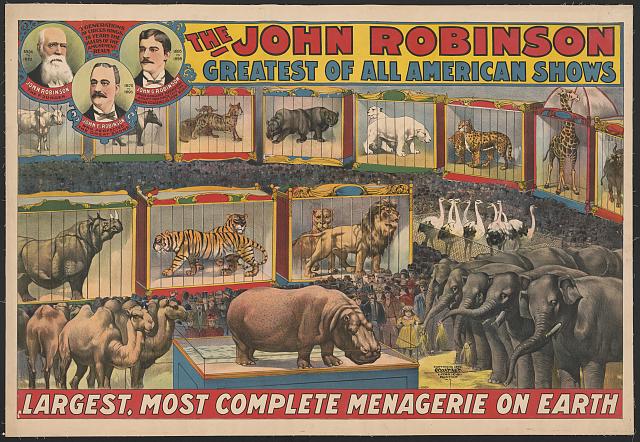
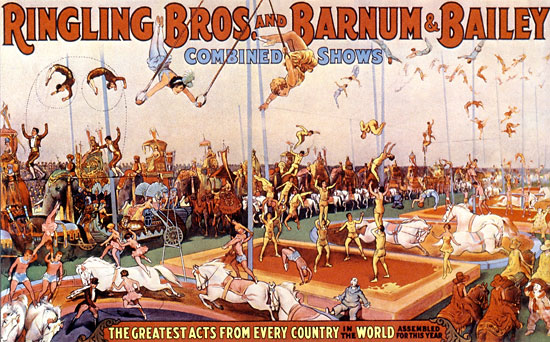
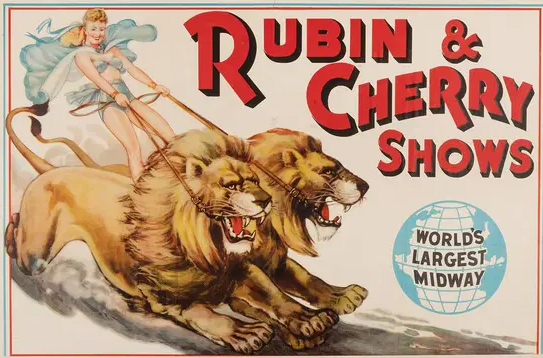
In the late 19th and early 20th centuries in the US, touring circuses and carnivals were booming in the US. As they moved from town to town, it wasn’t unusual for fights between carnies and townsfolk, who were often referred to as rubes by the showfolk. If a carny was threatened, or found themself in a dust-up with a local, they would yell “Hey Rube!”, and everyone on the show within hearing distance would rush to help their comrade.
In my time crewing for a sideshow, I only ever heard this cry go out once. We all went to investigate. Fortunately it was a false alarm, but we came ready to fight. Who knows how many times my great granduncle Mose may have done the same?
Let’s bring this phrase back into wider use. If you find yourself accosted by one or more rubes, give the call. Those in the know might just come to your aid.
Around age 14 I developed an affinity for a certain area of the woods in a park near my home. I started exploring the area, and I discovered that there was an old creek bridge foundation there. The central support remained, as well as the retaining walls, but the bridge itself was long-gone. That central support looked like a stone altar. To add to the environment, there was graffiti of a winged eyeball painted on one of the retaining walls, as well as a number of other symbols. I felt like I had discovered the ruins of an ancient temple. It felt like hallowed ground. I named the place The Altar of the Eye. One day, I found a feather in the woods. Something motivated me to leave that feather on the Altar, along with a quarter. I performed an impromptu ritual, my very first, speaking to the spirits of the place, who had provided what felt like a haven for me. Over the following years, whenever I needed a place to step away from the outside world and focus on looking inward, I would come here and feel the woods.
This photo was taken several years later, after someone broke one of the top stones from the Altar.
The Altar of the Eye
Closeup of the Eye
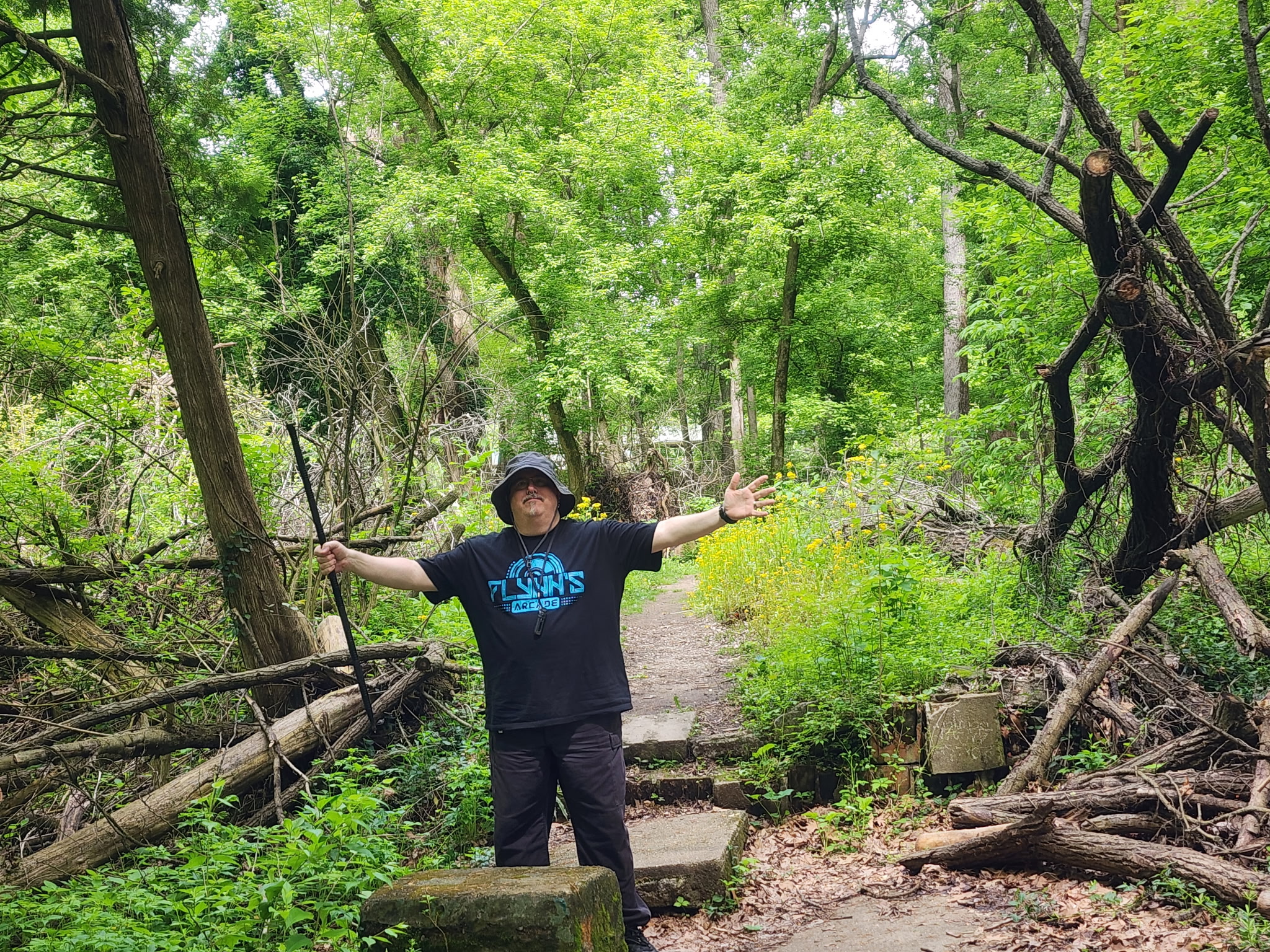
In the summer of 2025, I returned to visit the Altar. Time has not been kind to it, but I still managed to fit in a bit of wizarding.
In ‘Phenomenal Sorcery’ I describe the technique of rendering statements into binary, then creating a graphic bitmap which depicts that series of bits in a grid in which values of 1 are white and 0 are black.
Here is an example of this put into practice. This is a bitmap of the word Paragon:
A bitstream talisman
I typed the word into an online ASCII to binary converter, then pasted the results into a spreadsheet, one digit per cell. I filled the 0 cells with black, then deleted all of the characters. I then printed out and cut out the strip. I wound it tightly and secured it, then placed it into a pill carrier that is attached to my keychain.
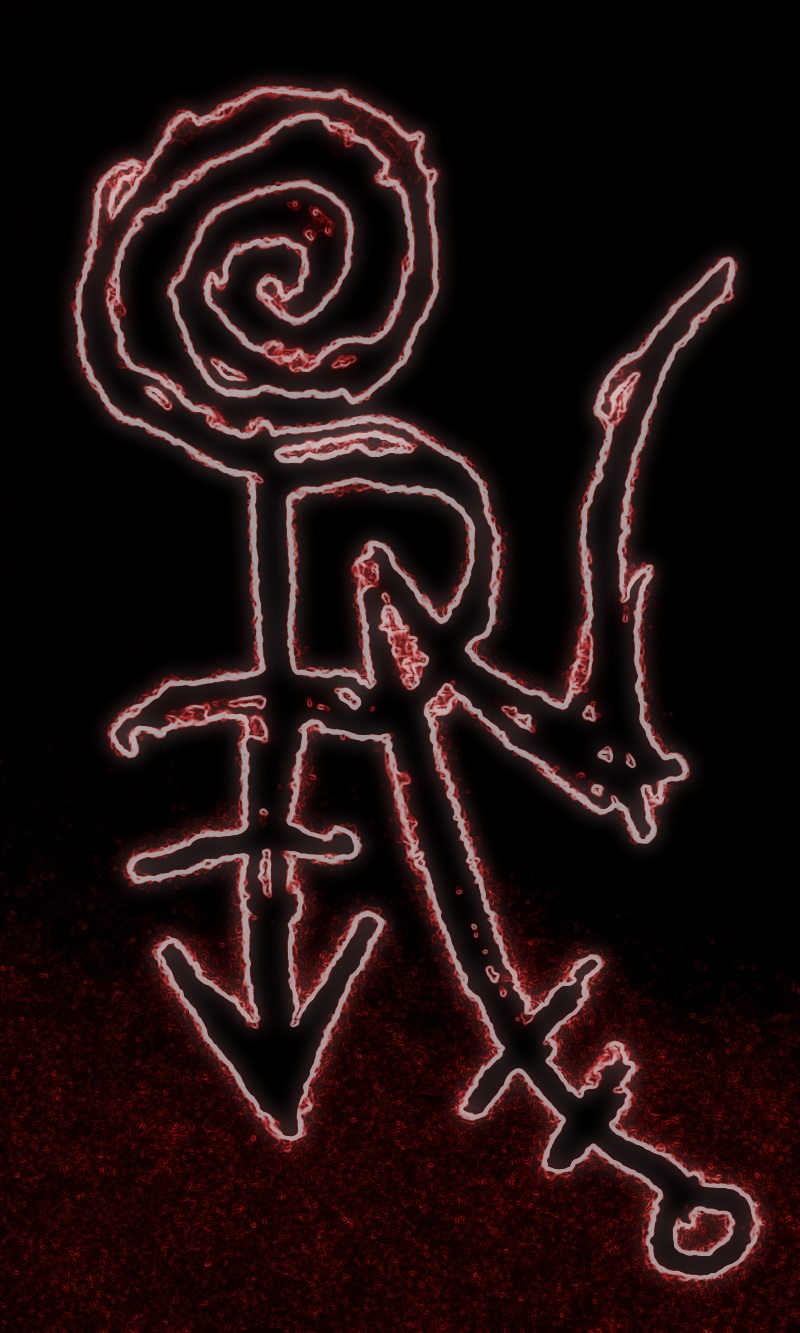
The Benignant Glyphs is a project in which I will be creating sigils out of the words for various helpful and useful concepts, then imbuing them with intent to radiate that property. I am naming them glyphs since they are not intended to be launched as a sigil would, rather they are to be used as ways to distill and encapsulate each word into a symbol which can be used to represent it in magical workings. There are also possible applications in divination and in contemplative meditation.
We are defined by our borders, boundaries, and barriers. Humans seem to take great pleasure in and spend much energy on dividing themselves into groups based on which side of an often-arbitrary line they fall on, whether it be geographic, cultural, or philosophical. These boundaries not only define, but also constrain. Despite this, these constructs are not entirely negative. Within the realm of individual psychology, it is both natural and necessary to set boundaries.
One boundary of great import to mankind is that between that which is deemed to be reality and that which is labeled as fantasy. Robert Anton Wilson famously observed that “the border between the Real and the Unreal was not fixed, but just marked the last place where rival gangs of shamans had fought each other to a stalemate.” This was an apt observation. We see this line move in fits and starts, as technological advances and new scientific discoveries redefine what is possible in our world.
The Wall has existed as long as human consciousness. Disbelief strengthens it. Since the dawn of the so-called Age of Reason, it has gotten stronger, as belief in the numinous has declined. It is as if the static produced by the subconscious minds of good “rational” folk has coalesced into a structure. Even the minds of operant magical practitioners are not above reproach in this construct, as the personal ‘psychic censor’ is a constituent of the Wall.
This boundary may be more permeable in certain liminal spaces. It also serves as a buffer between the mundane world and the more resistant metaphysical barrier that stands between the mind and the manifestation of Will. This barrier that tries to prevent magical effects from taking place can be seen as a luminous wall, and it is this wall you’ve got to get your intent through, over, or under. That’s the thing that resists us. That’s the one thing that we ultimately have to penetrate, that’s what that diagram in the Consensus article was all about. I’ve referred to this in the past as the barrier of ambient Will.
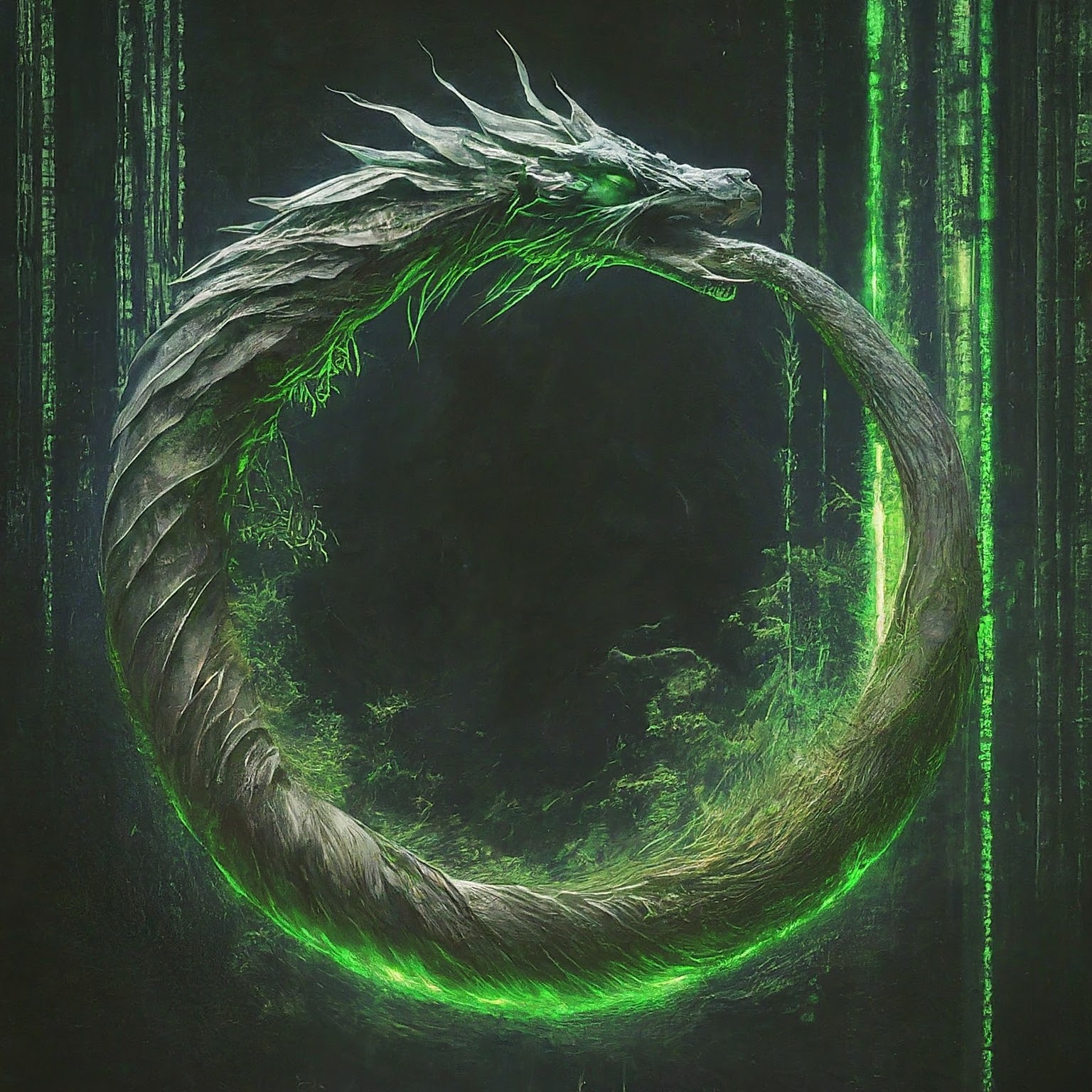
The firing off of the encapsulated, concentrated intent at the wall should be like a railgun firing a projectile. Fire as hard as you can with as much focus, intent, and intensity as you can. That’s one way to get through the Wall. The projectile, or payload, is a magical construct itself. Picture it as a concentric shell or slug composed of several layers. The intent is wrapped around a kernel concept, that magic is real, is effective, and can be performed by the casting sorcerer. This is the foundation upon which all magical work is carried out. The intent may be reduced to a symbol and visualized. Lastly, an outer shell of incredible strength and slipperiness to help it penetrate the wall.
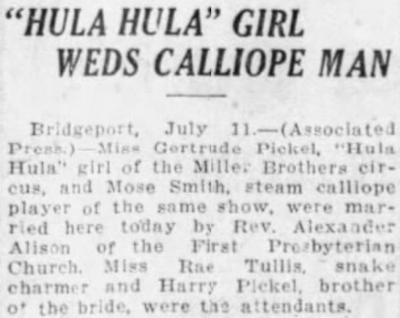
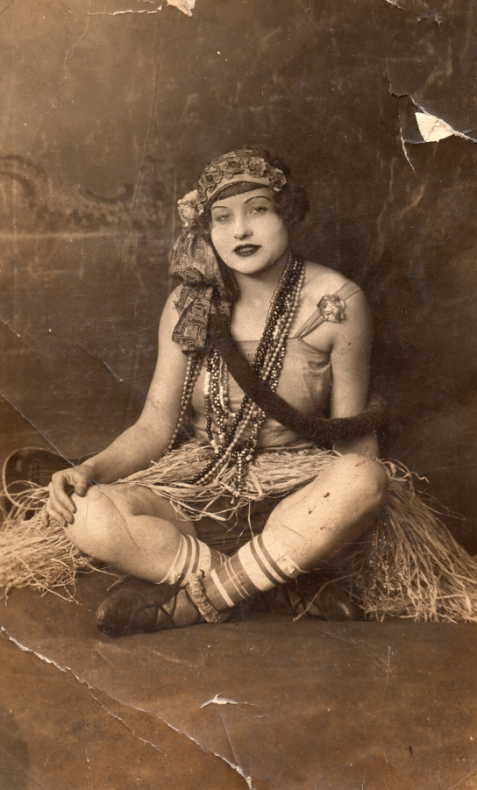
In July of 1925, he married Gertrude “Gertie” Pickel, a dancer with whom he performed in Doc Oyler’s Sideshow within the Miller Brothers’ 101 Ranch Real Wild West and Great far East Shows.
Hartford Courant, July 12 1925
Gertie Pickel
“Mose is some tattooer, and is getting by with it.” – The Mitchell Commercial, Nov 25, 1915.
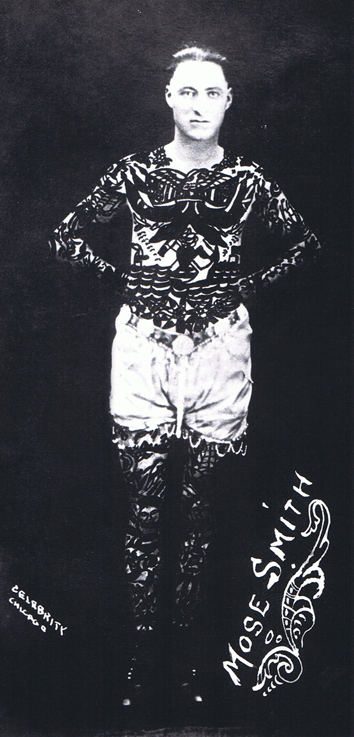
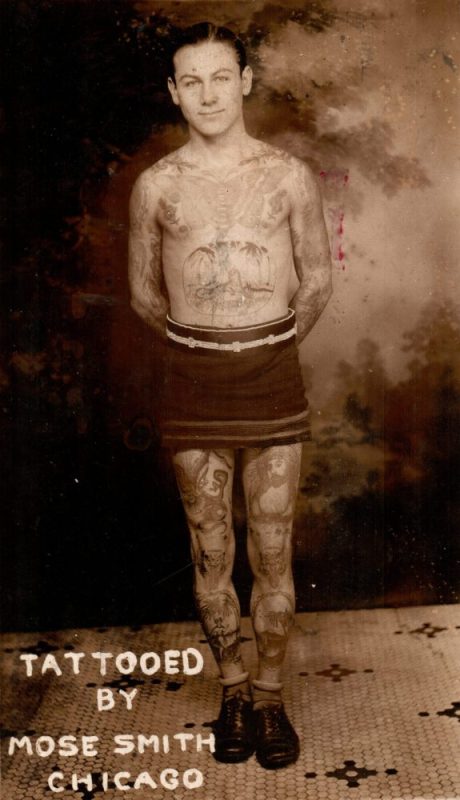
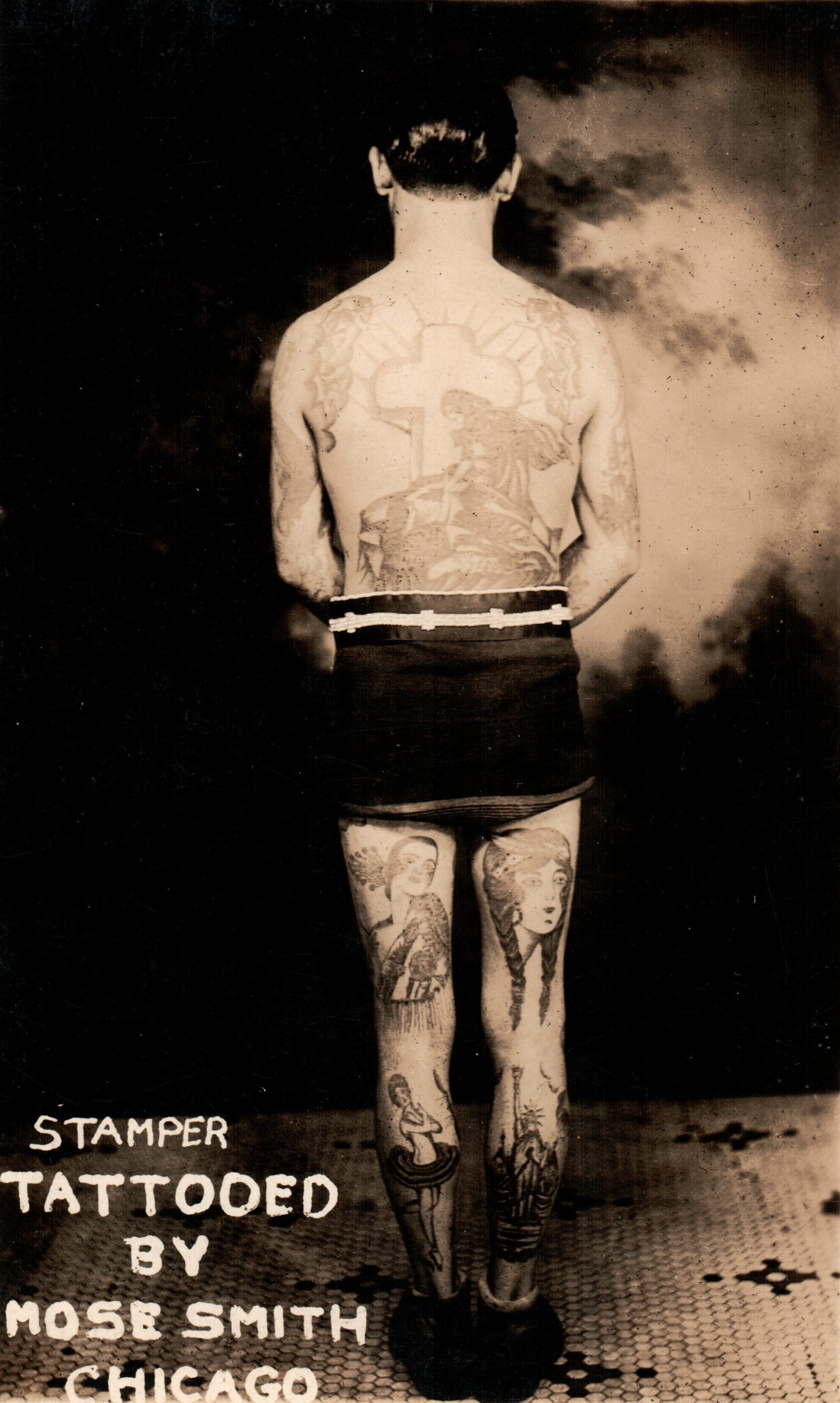
As was the case with many tattooed men, he also practiced the art himself. By 1920, he had worked in San Francisco’s Barbary Coast and in the Bowery district in New York City. By 1928, Mose was operating his own studio in Chicago, located in an arcade at 534 S. State St. He spoke in an interview of using India stick ink mixed with Listerine, since prohibition had made alcohol unavailable. Here are several examples of his work:
Sam Stamper, tattooed by Mose Smith, 1925
Sam Stamper, tattooed by Mose Smith, 1925
In the 1930’s and into the 40’s, he was the owner and operator of a Monster and Snake show. The Billboard Magazine from October 1942 lists him as appearing with Oscar Bloom’s Gold Medal Shows in Alabama. He appeared with J.F. Sparks Shows in 1944, then back to the Gold Medal Shows for the 1945 and 1946 seasons. On June 14, 1947 his “Big Snake” attraction is named as part of John R. Quinn’s World of Pleasure Shows touring Michigan at the time.
Mose was my Great Grand Uncle (my great-grandfather’s brother), and my dad remembers Mose coming to Terre Haute with an orangutan and a wagon full of snakes. The children in the neighborhood would gather to watch him feed them.
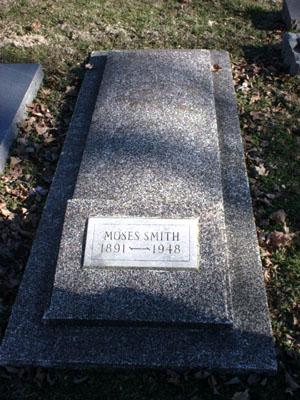
Mose’s grave in Highland Lawn Cemetery in Terre Haute, IN
Mose’s obituary from the Terre Haute Tribune
I am always seeking any and all available information on Mose to further expand this resource about his career as a tattooed man, so that he will not be forgotten.
In addition to my family, the following people and organizations have helped me so far, and my gratitude knows no bounds:
Fred Dahlinger (Circus World Museum) Chuck Eldridge (Tattoo Archive) Darlene (101 Ranch Old Timers) Carmen Forquer (Tattoo historian and Great Grand Niece of Bert Grimm) Lance Johnson Studio (for permission to use the Russel Bros. photo) Highland Lawn Cemetery, Terre Haute, IN The Vigo County Public Library, In Terre Haute, IN The Public Library of Anniston-Calhoun County, Anniston, AL
Sam Stamper postcards from the Tattoo Photograph Collection, #064-03-01, Special Collections, Providence Public Library.
My altar in the Rivet Room, a Persistent Autonomous Zone
The above image is an attempt to recreate what I saw when meditating on what my physical altar and temple space look like in virtual or astral space. It was all neon wireframes of the physical objects, like something from Tron. Energy pulsed and flowed all throughout. Diaphanous tendrils of light converged on the stele of Ellis, radiating out into the Web. Packets of data drifted towards the sigil of Nexus 0xC, sent by the many nodes of that servitor swarm. The static of the Noosphere was held at bay by the membrane that surrounds the space, recreated anew in each weekly working.